


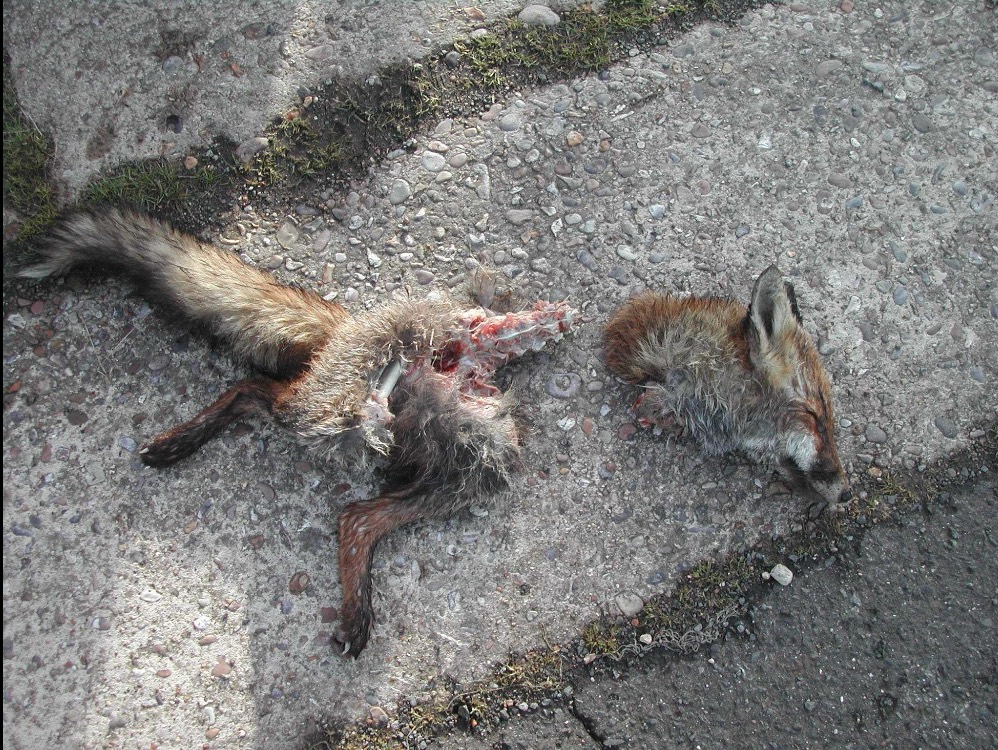
A lynx was active around Orford Ness throughout the 2010s, according to photos of kill signs from the Ness sent to me anonymously and testimony of multiple lynx sightings there. (Update in reported sightings below, added 21/07/26.)
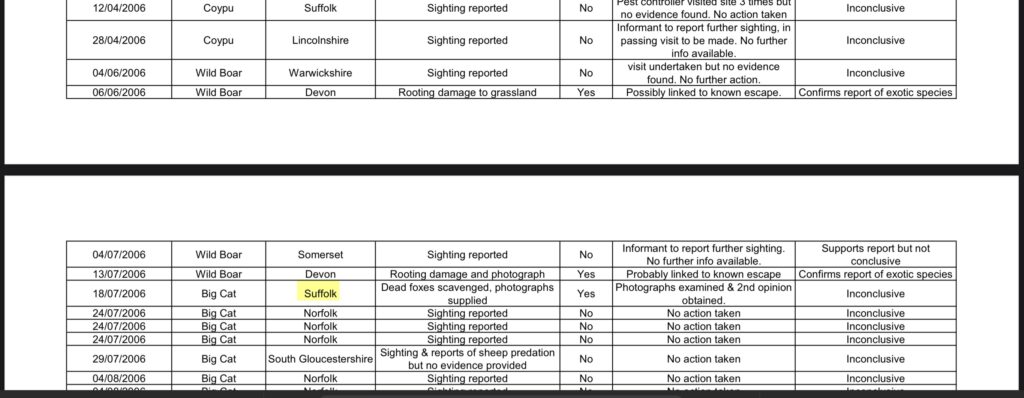
A Natural England FOIA disclosure entitled Reported Sightings or Signs of Exotic Species Compiled by Natural England’s Wildlife Management & Licensing Compiled by Defra Rural Development Service Prior to September 2006 included an entry dated 18 July 2006. This refers to “dead foxes scavenged, photos supplied.” A “second opinion” had been obtained, the conclusion was “inconclusive.” I have included an extract from page 2 of this document.
Other documents and reports made public at the time identified the location as Orford Ness.
My subsequent FOIA request revealed the photo “couldn’t be found” in 2020. This was during the first Covid lockdown, so Natural England officials couldn’t get access to all the paper archives at that time. (At the time the information was compiled, it was the responsibility of Defra – the government’s Department for the Environment, Farming and Rural Affairs. Many duties of Defra were subsequently devolved to Natural England, including wildlife and landscape management at Orford Ness National Trust nature reserve.)
Then a series of 14 photos was sent anonymously to bigcatsofsuffolk in 2025, in response to my interactive map of Suffolk big cat sightings going online. The source later told me of four sightings of a big cat at Orford Ness over a five-year period. (There’s an update on this below).
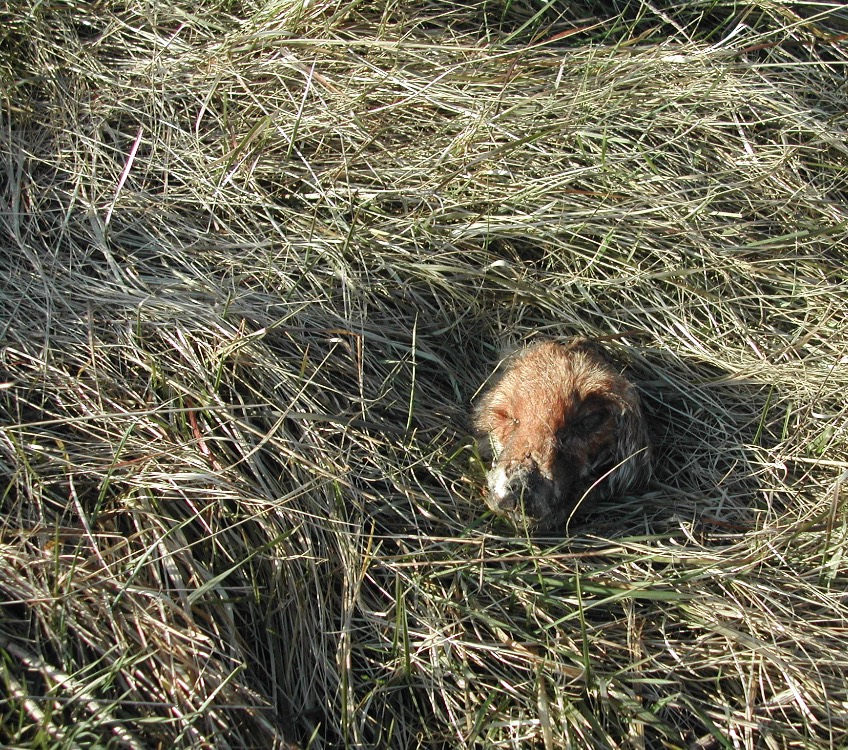
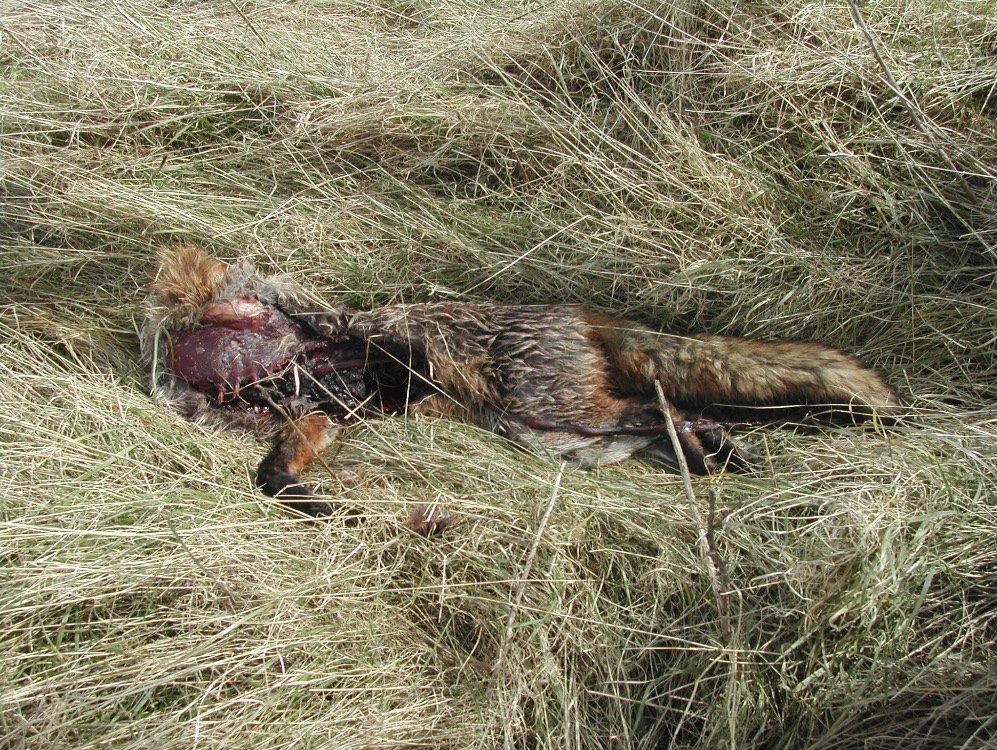
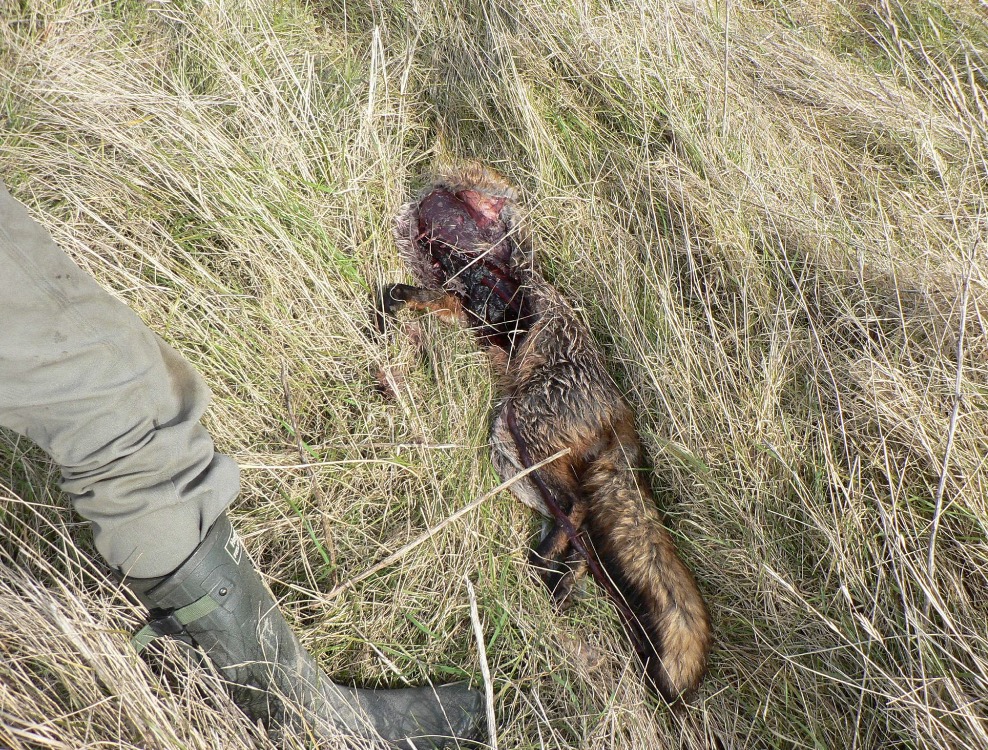
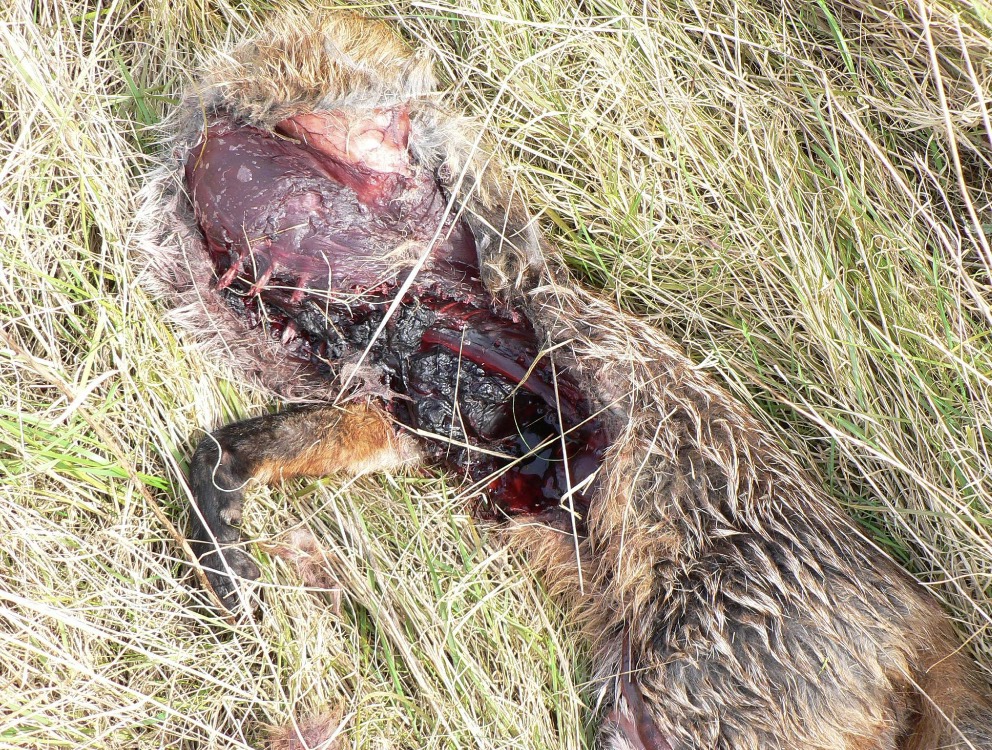
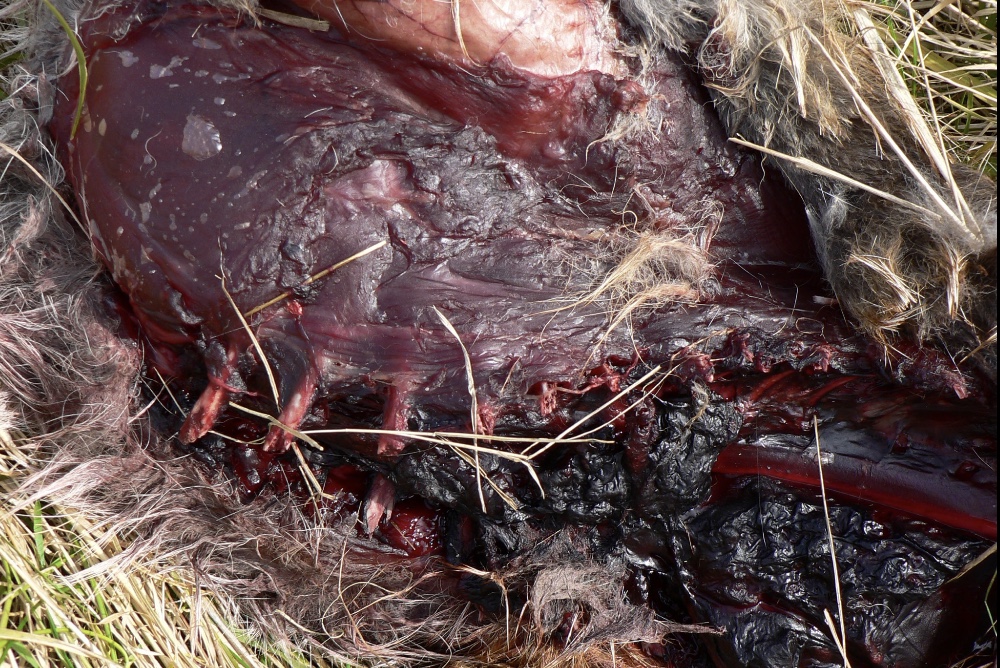
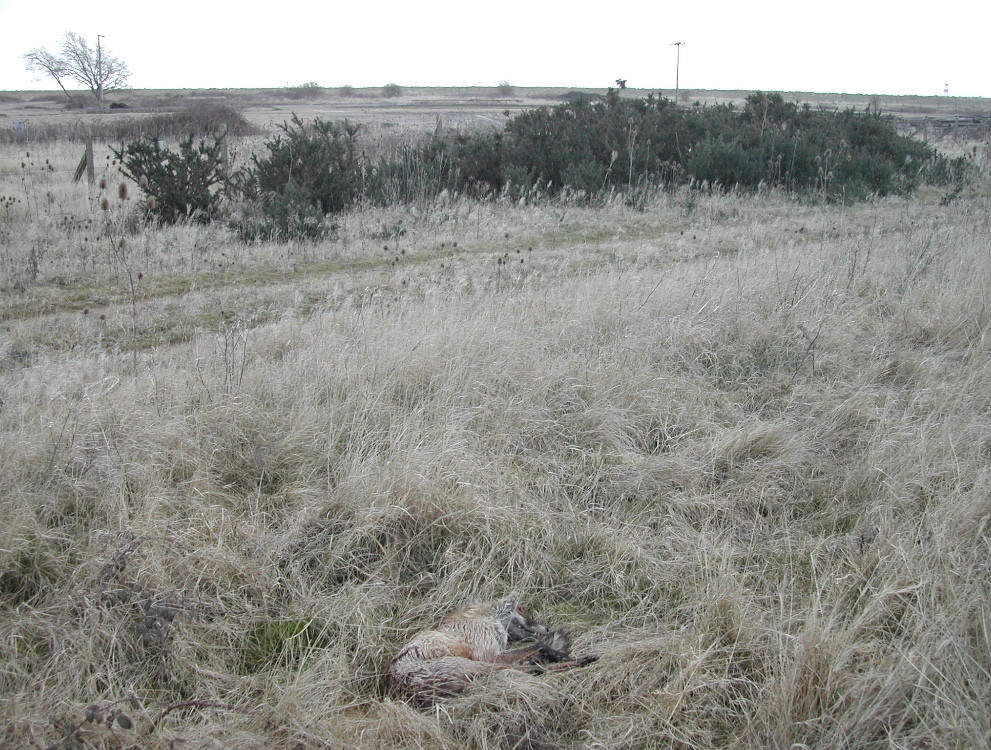
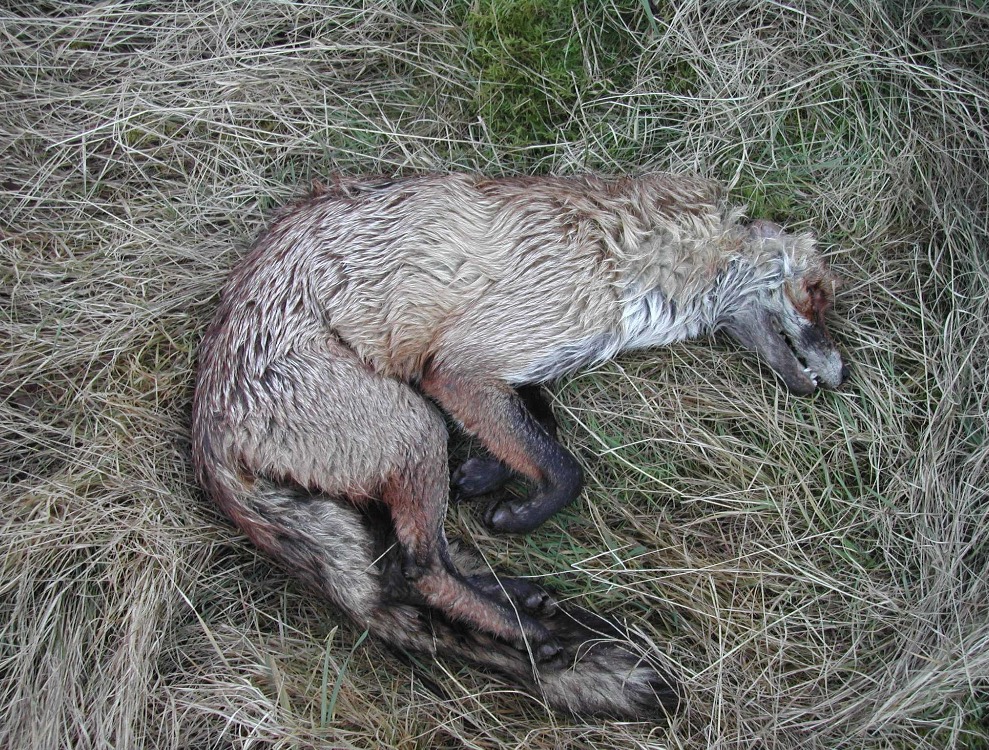
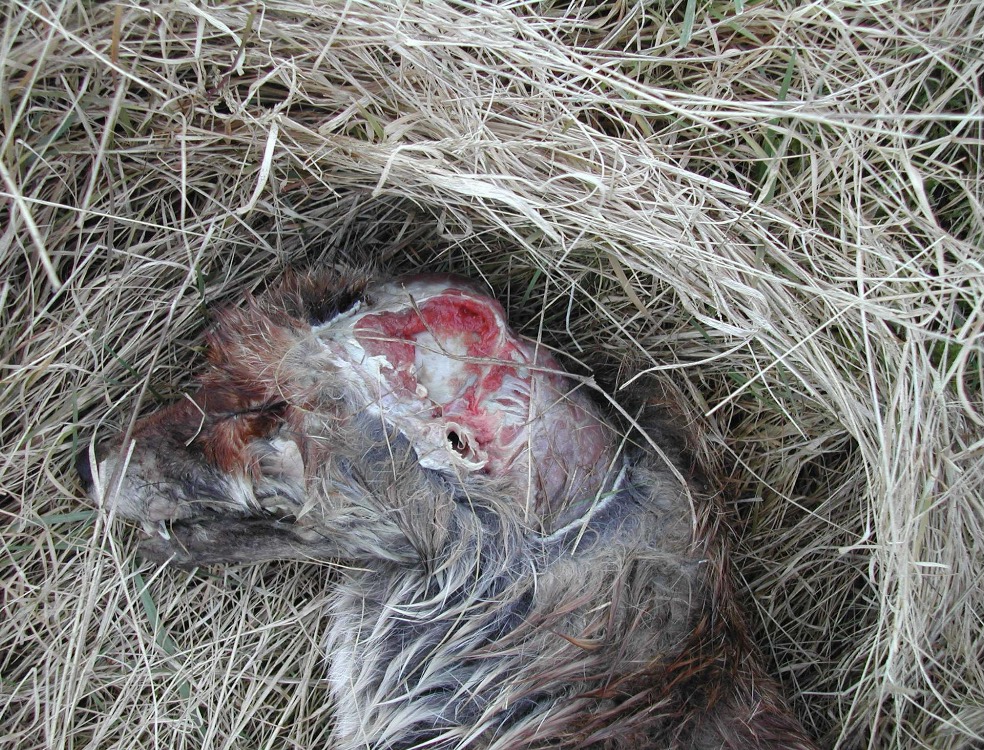
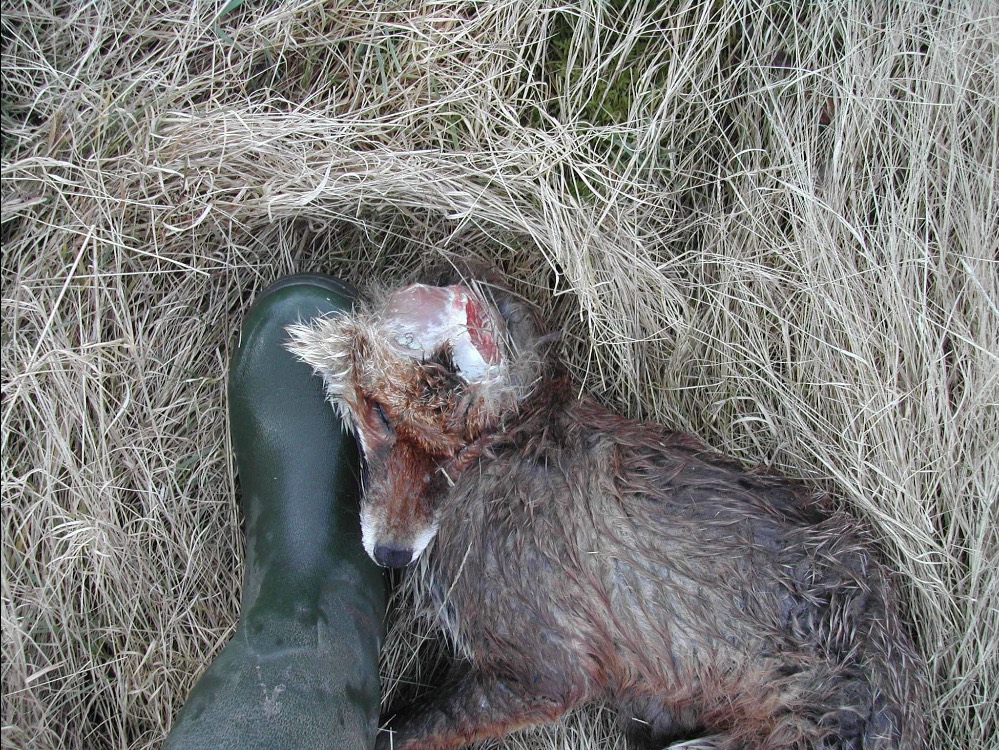
This series of photos shows at least two fox carcasses. It’s hard to tell whether there are two or three different fox carcasses shown in the series of photos.
One fox carcass had its head severed, lying near the corpses, and the flesh on its ribs cleanly licked away.
One fox corpse had been neatly bitten in half with its spine exposed and its arms and torso missing.
Another photo shows a fox with a bite slicing through the top of its head. It’s hard to tell whether this one is a third kill or one of the other two kills photographed from a different angle. One of the photos has the file name “3rd carcass.” (I have made efforts to strip out any identifying file names or metadata from the photos.)
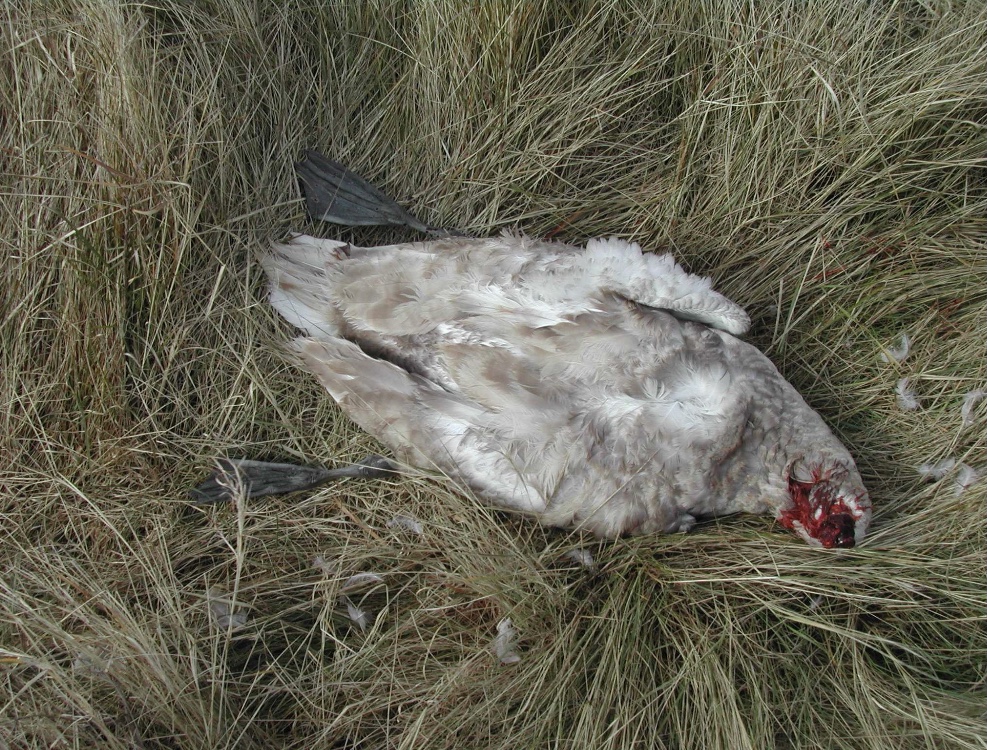
There was also a photo of a swan with its head and part of its neck severed. One of the file names of one of the photos of the swans says “swan dragged from pond.”
All the photographed kills were found within 150 yards (140 metres) of each other on the early morning of 14 March 2006, according to my anonymous source.
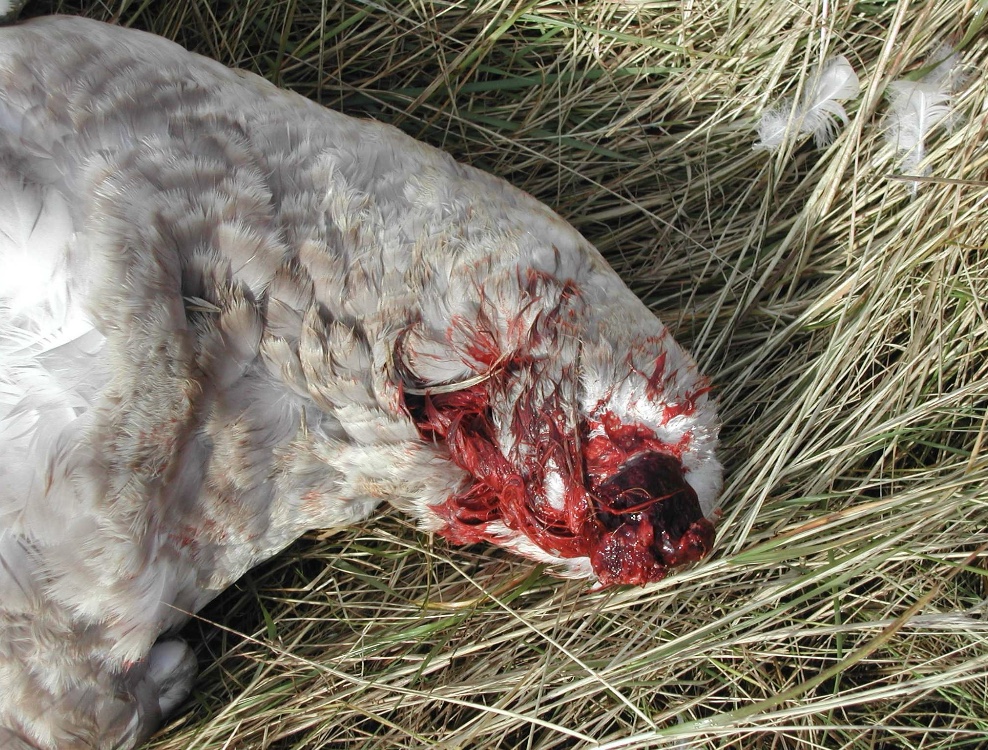
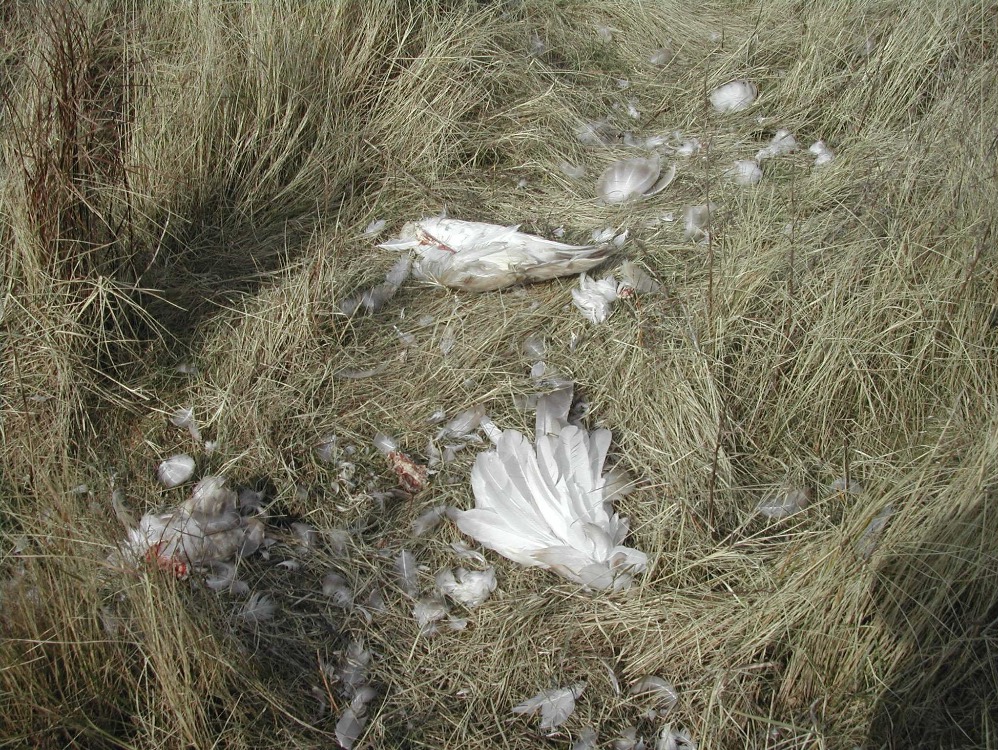
Update – 21/07/26 – 2010s lynx sightings at Orford Ness and more kill signs
My source soon after sending the photos described carrying out fox and rabbit control operations at night in March 2009, together with a working dog. The witness saw through a headlamp a pair of “yellow eyes” that followed them for about 20 minutes.
They also reported that others had seen a lynx on the Ness in 2005, 2008 and 2010, in most cases walking at night by the sea defences. The same source also photographed numerous kill signs on the Ness. Based on these encounters, my source assumed the animal with the yellow eyes that was following them and their dog was a lynx.
There were roughly contemporary sightings of an animal that became known as the “Shingle Street Lynx” in Shingle Street and Hollesley, as well as contemporary field signs including scratches on trees reported in woods in Hollesley. Both locations are near Orford Ness.
The source later recalled finding “a dozen” young foxes killed in the Ness with their ears ripped off over a 10-year period, in addition to the three fox carcasses (they confirmed it was three) and a swan carcass in the photos sent to me.
I have had to omit some of the details passed on to me by the source to avoid identifying them.